A new radio out of the box doesn't know your airplane — and a reversed elevator or a backwards throttle ends a maiden in about two seconds. Pick your radio and plane below, then work down the list in order. Fifteen careful minutes on the bench, prop off the whole time.
0 of 8 steps done
Each step protects the next one. A fresh model memory means no leftover mixes from someone else's setup. Binding before wiring servos means you can verify the channel order by watching outputs twitch instead of guessing from labels — FlySky and EdgeTX radios default to AETR order, Spektrum to TAER, and plugging servos in by assumption is how throttles end up on the rudder channel. The stand-behind-the-plane direction test catches the reversed elevator that ends more maidens than any hardware failure. And the throttle cut plus failsafe test is the difference between a dead-stick landing and a flyaway.
The numbers here — about 30% expo, low rates near 70% — are the same starting points used across this site's tools, and they're starting points, not gospel. After a few flights you'll know whether you want more or less.
On my first-plane build the radio is a FlySky FS-i6X with the FS-iA6B receiver (the cheaper FS-i6 I now recommend has the same menus, so everything below applies to it). Bound once with the bind plug, ESC lead into channel 3 (throttle on FlySky's AETR order), rudder servo channel 4, elevator channel 2. Stand behind the plane: stick back, elevator goes up — one servo needed reversing in the menu, which is normal, not a defect. Throttle cut on the top-left switch. The whole thing is fifteen minutes, and every minute of it is cheaper than a crash.
If you're earlier than this — still choosing a plane, working out what the electronics do, and wondering where you're allowed to fly — the beginner path from first plane to first flight puts radio setup in order with everything around it.
See exactly what plugs into what for your parts, then run the preflight before the first launch.
Small parts from my own bench that make the wiring side of a build cleaner.
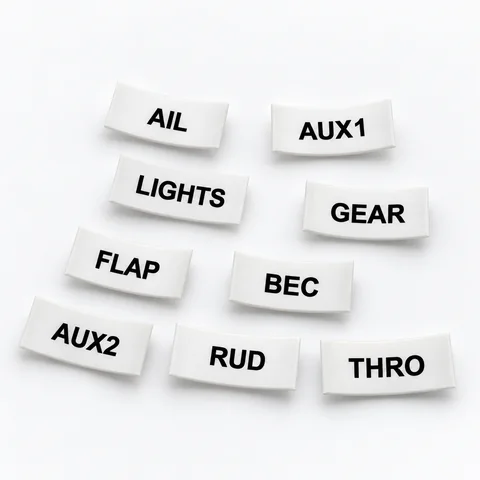 Servo Lead Heat-Shrink LabelsAIL, ELE, RUD, THRO and the rest, shrunk onto the lead so the receiver bay reads itself. Four packs.from $19.99See the label kit →
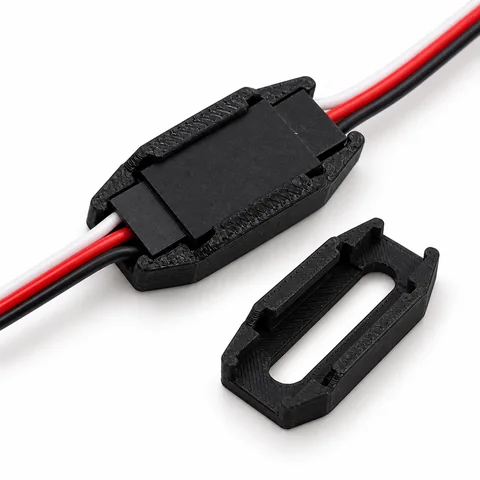 Servo Connector Safety LocksFifty locks that fit around a joined servo connection so an extension out in a wing stays plugged in.$14.99See the locks →
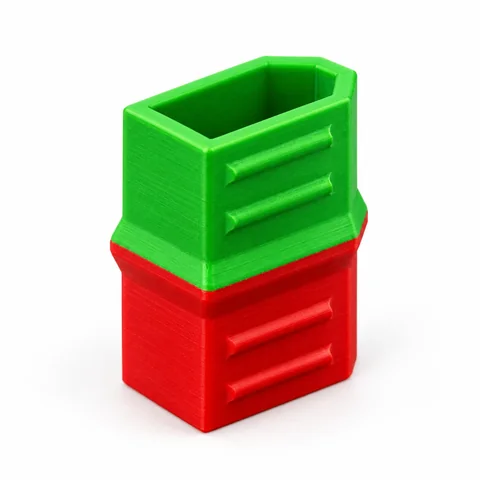 XT60 Battery Status CapsGreen end out: charged and ready. Red end out: flown. Twelve caps, so every pack in the box tells you.$11.99See the caps →
