Reach & Results
Who sees it, and what it keeps doing afterward
16.4KYouTube subscribersYouTube Data API
617KViews on the last 90 days of uploads58 videos
8,746Median views, recent long-form videoslast 5 videos over four minutes
1,200Website visitors, last 30 days733 sessions arrived from search
326Builder-tool runs completed, last 30 daysdesigner, wiring, checklist, calculators
226Outbound clicks to gear and partners, last 30 dayscounted first-party
Real figures, not a media-kit estimate: YouTube figures October 26, 2026; site figures October 20, 2026, measured first-party since July 16, 2026. Nothing here is projected, and a figure with no trustworthy data behind it is left off rather than guessed.
Brands I’ve worked with
On different terms each time: some sent a product for a build, some sponsored a video, some are affiliate partners. Every one was disclosed in the video and on the page, and none of them chose the verdict.
- OMTech
- JLCPCB
- Team Associated
- FMS
- Bambu Lab
- DJI
- Craycle
- FrSky North America
- Hot Wire Foam Factory
Selected partnership results
Three partnerships, with what the product actually did in the project and what came of it.
Flagship · build integration
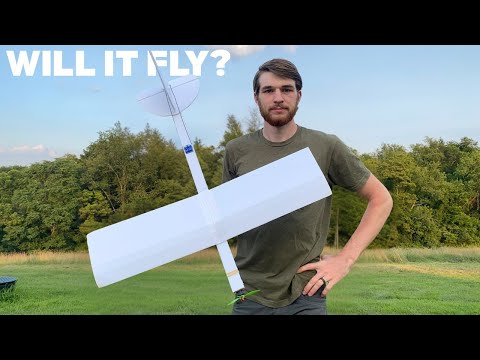
OMTech × the 20-foot RC airplane
A CO₂ laser as part of the production line for a five-episode build, not an ad segment in one of them.
- Video reach
- 451K views across the 5-video series
- Companion pages
- 155 visits to 7 evergreen pages since July 18, 2026, 37 of them in the last 30 days
- Outbound clicks to OMTech
- 25 from the site since July 30, 2026, via the affiliate link and code
- Partner
- OMTech, which provided an OMTech Maker AF2028-80 CO₂ laser for the build and runs the affiliate program behind the code ERICROBBRC.
- Project
- The 20-foot cargo plane built for aerial combat at Flite Fest 2026.
- What the laser did
- Cut all 27 weight-relieved wing ribs in a batch across its 20×28-inch bed, the four motor-pod skeletons, and the small parts throughout the build.
The full account of the series
The series ran as design and material tests, two build weeks, the four-day push to the field, and the event.
The laser is on camera in the shop in every episode after it arrived. The design episode shows why: the printer that cut the first test rib was too small for a production run.
Code redemptions and commissions sit in OMTech’s affiliate dashboard rather than mine; those are reported when the partner shares them. What I measure myself is above.
The build page → Build week 2: the 27 ribs →
Build integration
Hot Wire Foam Factory on the same build
Two tools that earned their place on camera by doing a job nothing else in the shop did.
- Video reach
- 16.6K views across the two episodes the tools appear in
- Hot knife
- Fitted with a bendable blade, the cordless industrial hot knife shaped the wing-root hardpoint channels in EPS where threaded inserts anchor a 20-foot wing to the fuselage.
- StyroGoo
- Tacked the outer-wing ribs in place with no clamps, which is what let the wing close up overnight.
- Deliverables
- Both tools on camera in two episodes, listed as sponsor-provided on both companion pages, build week 1 and the four days to Flite Fest, with affiliate links, and carried in the gear guide’s foam and adhesives picks.
Sponsored video · independent page
DJI Avata 360
A sponsored video and a review page the sponsor did not write.
- Video reach
- 28.4K views on the review video
- What happened
- DJI sponsored the original videos. The drone was flown and reviewed.
- The page
- The companion page says in its first paragraph that the opinions are mine and that it carries no DJI affiliate link, so the page earns nothing from a reader’s purchase.
- Why it is here
- Because it shows the model working both ways: the sponsor got the video they paid for, and the audience got a page they can trust. That is the deal every partner on this page gets.
The evergreen difference
The video launches the partnership. The page keeps working.
- A YouTube video does most of its viewing in its first weeks. A project page does the opposite.
- It carries the specifications, the parts list, the settings that flew and the corrections made afterward.
- It is linked from the tools and the gear guide, and it is what a search for the problem your product solves turns up months later.
- When the build is revised the page is revised, so the partner’s product stays attached to the current answer rather than to a video that has aged.
That long tail is the part of a partnership most channels cannot offer and the part this one is built around.
What I can report back
Numbers after the campaign, not adjectives before it
Paid partners get a post-campaign report built from the same first-party measurement as the figures above, with the dates and the method stated:
- video performance from YouTube: views, watch time and audience retention around the segment
- traffic to the companion pages, and where it came from
- outbound clicks to the partner from every page that links them
- the long tail: the same figures again after 30 and 90 days
- affiliate link and code performance, where the partner’s own program supplies it
What the report will not contain is a verdict written to order. The product goes into a real project, and what happened to it there is what gets published.