Answer a few questions about the plane you're building and get a complete, compatible electronics starting point — motor, ESC, prop, battery, servos, and radio, matched to each other. They are strong starting points worked out from the plane's size and style, not a tested guarantee: check the motor's prop chart and the ESC and battery ratings before you fly. Built for beginner, scratch-built foam planes: no paid calculator subscription, no spreadsheet, no guessing which parts fit together. Check parts off as you buy them — the list remembers your progress.
The hardest part of a first RC airplane isn't the building — it's buying five electronic parts that actually work as a system. The motor, ESC, battery, propeller and servos all have to agree, and a mismatch is how beginners burn out an ESC or end up with a plane that won't leave the ground. This builder turns your plane's size and style into one matched, buyable checklist.
Your motor sets how much current the system pulls; your ESC has to be rated for at least that current (with headroom); your battery has to supply it safely (enough cells and a high enough C-rating); and your prop is the throttle on all of it — too big a prop on the wrong motor pulls more amps than the ESC or battery can take. Get one wrong and you cook a component on the first flight. If the parts themselves are still new, RC electronics explained in plain English covers what a battery, ESC, motor, receiver and servo each do before you start sizing them.
Every part answers to the prop. Spin a bigger one and the amps rise through the whole chain at once — and the first part rated below the new draw is the one that cooks. The builder above sizes all four so they agree.
Answer a few questions about your wingspan and how you want it to fly, and you get a complete parts list — motor Kv and size, ESC amp rating, battery cell count and capacity, prop size, servo count, and a radio — each linked to a specific product picked for the spec, not a generic search.
What size motor for a 30-inch foam plane? Typically a 2836-class motor around 1500Kv on a 3S battery — exactly what this builder recommends for that size. How many amps should my ESC be? Rated above your motor's peak draw with margin; the builder sizes it for you. Then what? Take the list to the Wiring Designer to see how it all connects.
If a motor, prop or ESC is already in a drawer, the Parts Matcher takes what you own and works out what is missing — with the current draw and flight time behind it.
Open the Parts Matcher →Parts picked. See exactly how they connect, then confirm the balance point before the maiden.
The free one-page starter checklist covers what to buy first, setup order, and the preflight that saves your maiden. I’ll also send updated part picks when listings change.
Small parts from my own bench that make the wiring side of a build cleaner.
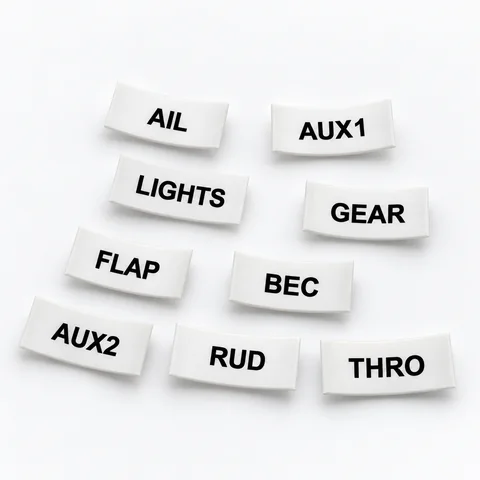 Servo Lead Heat-Shrink LabelsAIL, ELE, RUD, THRO and the rest, shrunk onto the lead so the receiver bay reads itself. Four packs.from $19.99See the label kit →
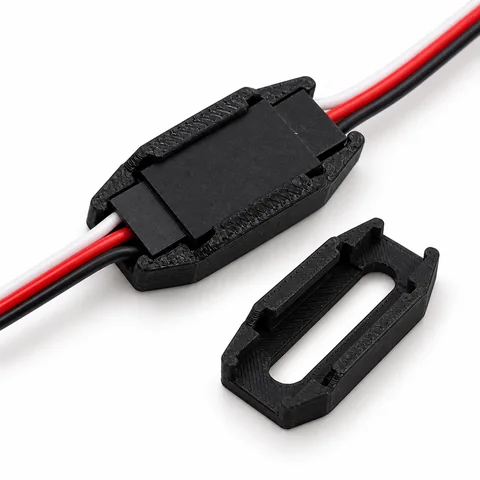 Servo Connector Safety LocksFifty locks that fit around a joined servo connection so an extension out in a wing stays plugged in.$14.99See the locks →
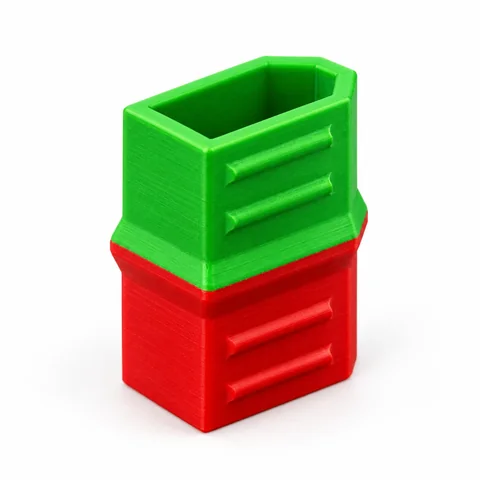 XT60 Battery Status CapsGreen end out: charged and ready. Red end out: flown. Twelve caps, so every pack in the box tells you.$11.99See the caps →
